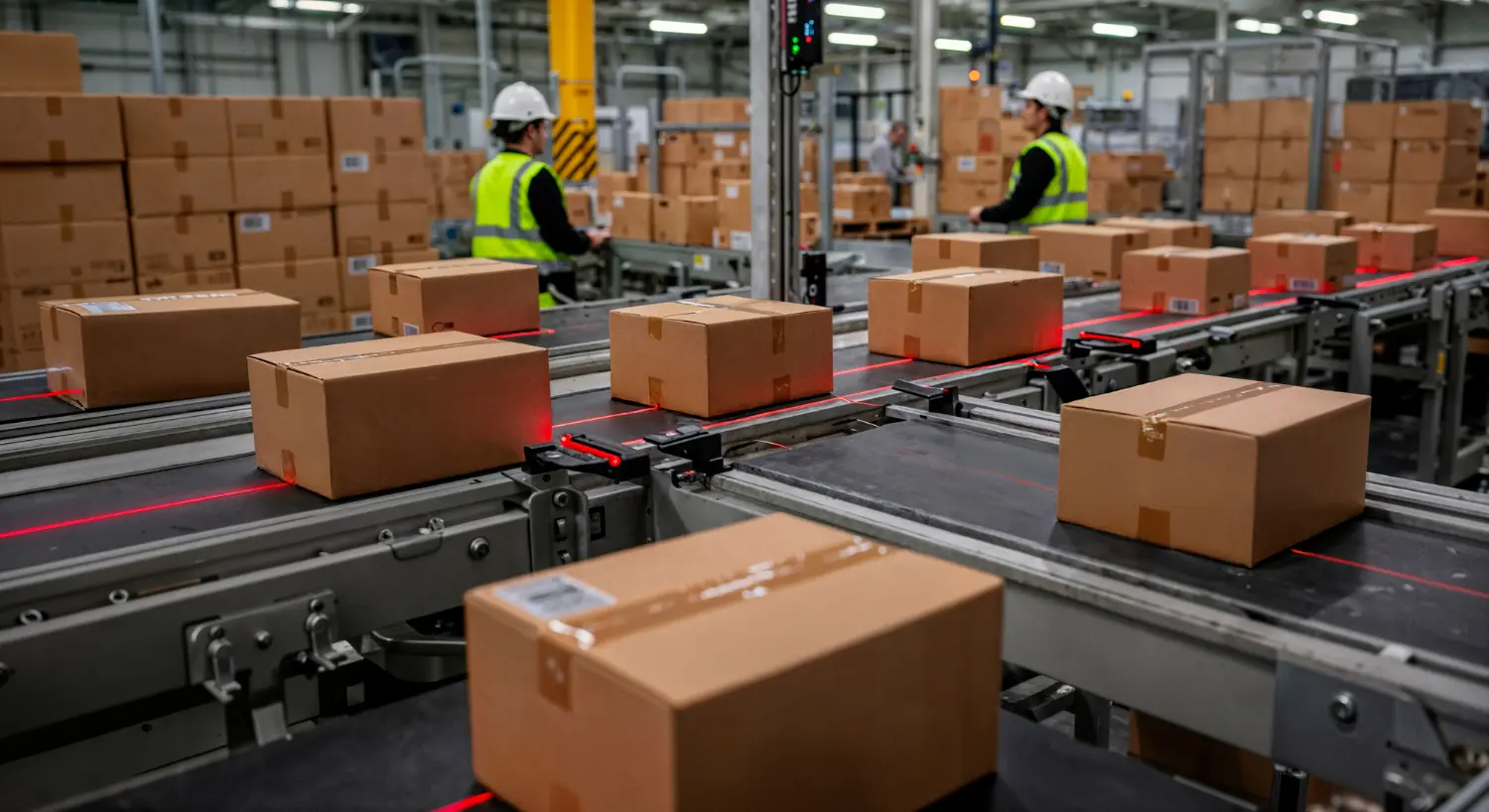
Peak season success depends on preparation long before order volumes begin to rise. Logistics teams need clear forecasts, confirmed carrier capacity, accurate inventory visibility, and warehouse processes that can absorb sudden pressure without slowing down customer delivery.
The first step is understanding where demand is likely to concentrate. Historical order data, promotion calendars, regional sales patterns, and supplier lead times all help create a more realistic demand picture. When planners use this information early, they can reserve transport capacity, rebalance stock, and avoid overloading individual fulfillment points.
Build capacity before the rush
Carrier conversations should happen before schedules become tight. Teams need to confirm pickup windows, lane coverage, service expectations, and escalation contacts. This is also the right time to review backup options for high-risk routes, especially where port congestion, border delays, or last-mile constraints could affect delivery promises.
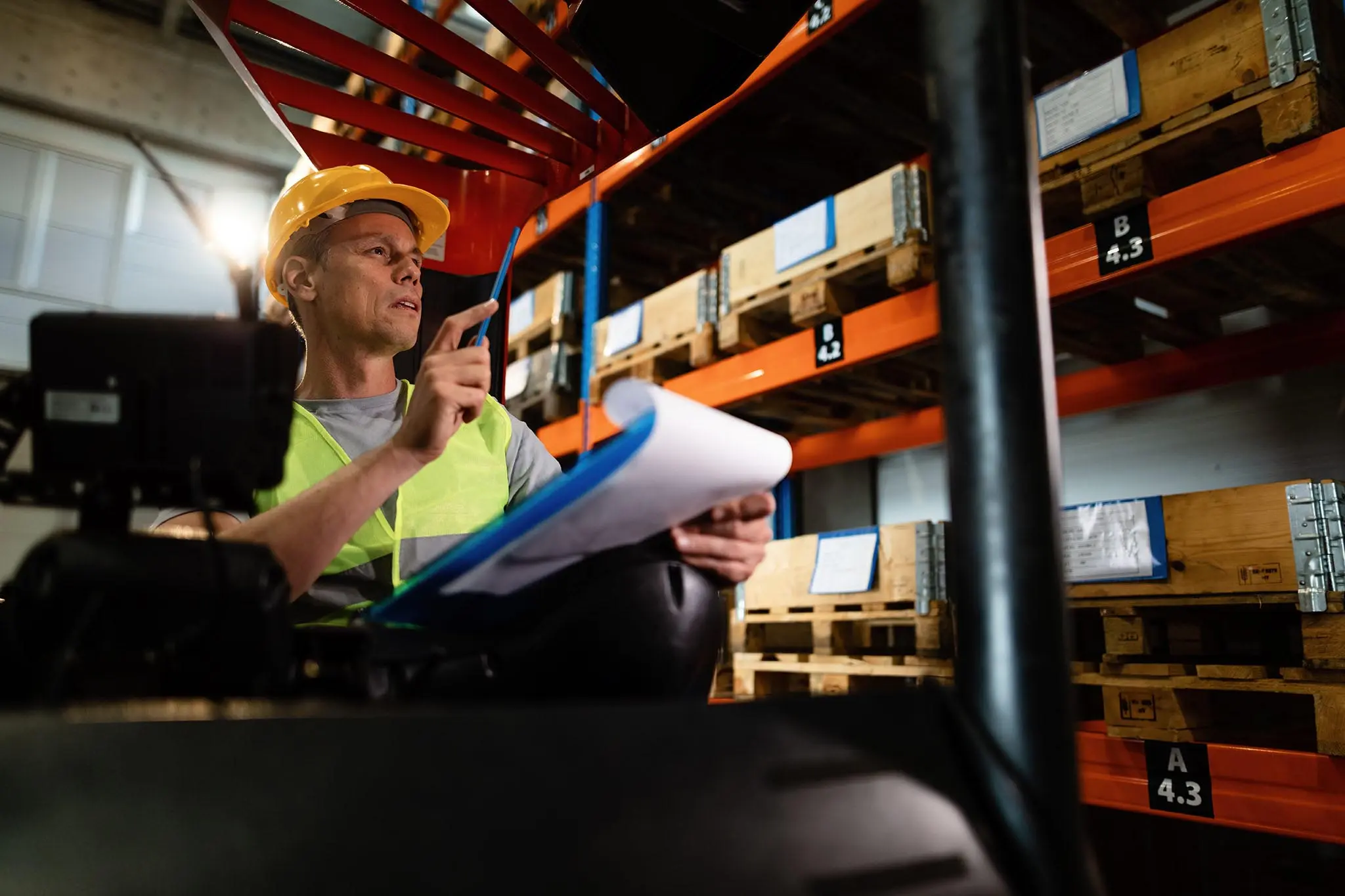
Warehouse readiness matters just as much as transportation planning. Clear slotting, temporary labor plans, packing material availability, and outbound staging rules help teams process higher volumes with fewer mistakes. Peak season is not the moment to discover that a picking route, labeling process, or dispatch routine cannot scale.
The best logistics plans combine visibility with discipline. When every team can see capacity, exceptions, and daily performance, decisions become faster and more coordinated. Peak season will always bring pressure, but preparation turns that pressure into a managed operating rhythm instead of a series of emergencies.
Turn metrics into operating decisions
Useful reporting should show teams what to do next. When shipment status, warehouse throughput, carrier reliability, and exception patterns are reviewed together, leaders can prioritize the process changes that protect service quality and reduce avoidable cost.
Create a shared language for performance
A consistent reporting rhythm helps logistics, warehouse, finance, and customer service teams discuss the same priorities. This alignment reduces guesswork and makes it easier to understand whether delays are caused by planning, capacity, documentation, or handoff issues.
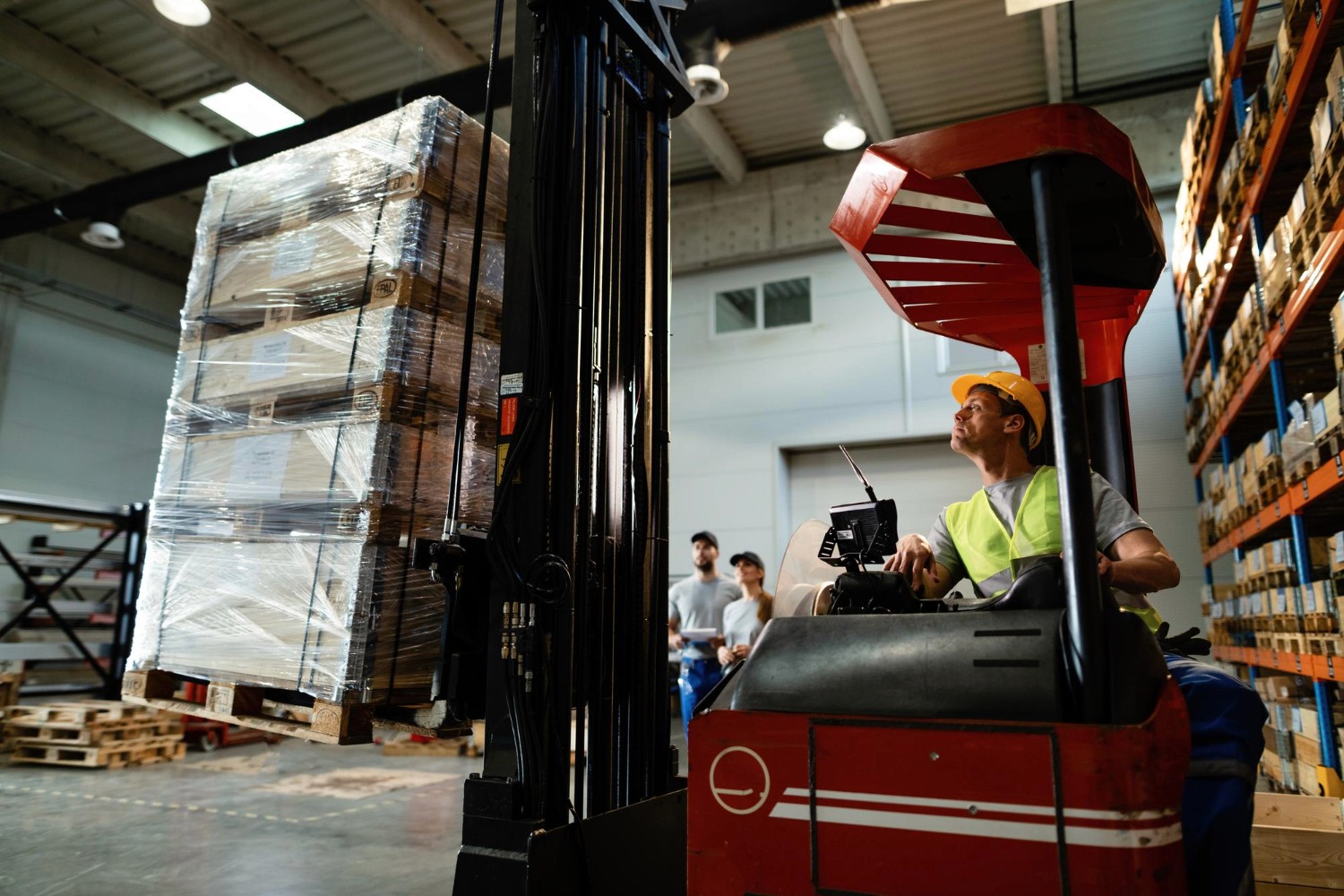
Warehouse reporting becomes more valuable when it connects activity on the floor with customer-facing service outcomes, showing where picking, packing, staging, or dispatch routines need attention. Freight visibility helps teams understand how transport capacity, loading windows, and carrier performance influence the wider network, especially when volume increases or route pressure changes quickly.