Reliable freight forecasting gives logistics leaders the confidence to plan capacity, control costs, and respond to operational change before service quality is affected.
Many freight decisions are made too late because teams rely only on recent shipment volume. A stronger forecast looks at customer demand, seasonality, supplier behavior, inventory position, and lane-level constraints. This gives planners a clearer view of what is likely to move, where pressure may appear, and which routes need attention first.
Connect forecasts to action
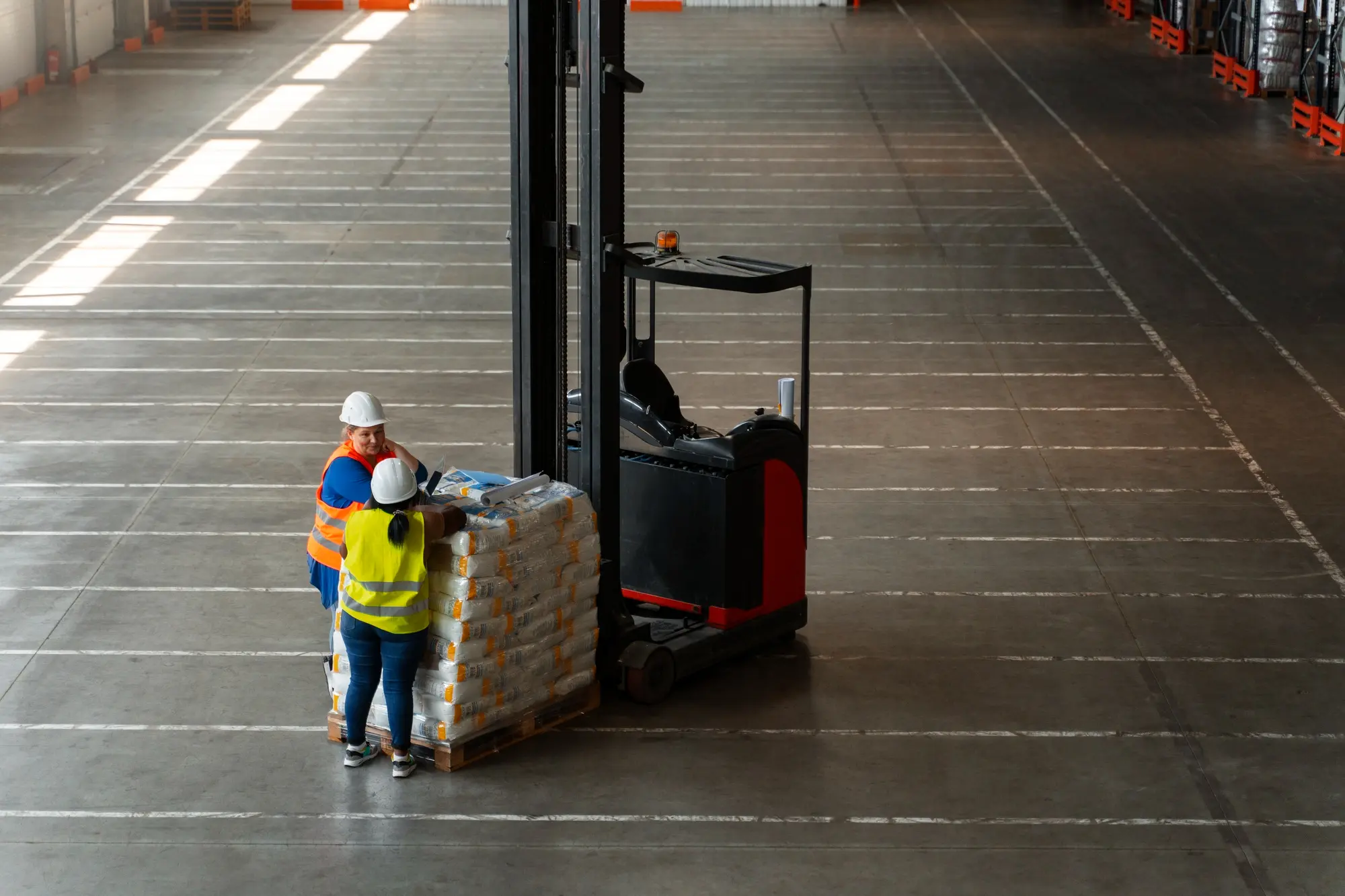
A forecast only creates value when it changes daily decisions. Transport teams can use it to reserve carrier capacity, adjust pickup schedules, consolidate loads, or shift volume away from constrained lanes. Warehouse teams can use it to prepare labor and staging space before outbound volumes increase.
Smart freight forecasting also improves cost discipline. When logistics teams can see demand earlier, they rely less on emergency shipments, premium freight, and last-minute carrier changes. The result is a more stable transport plan with fewer surprises and better control over service commitments.
Forecasts will never be perfect, but they should be useful. The goal is not to predict every shipment exactly. The goal is to create enough visibility for teams to prepare, communicate, and make better tradeoffs before the network is under pressure.
Turn metrics into operating decisions
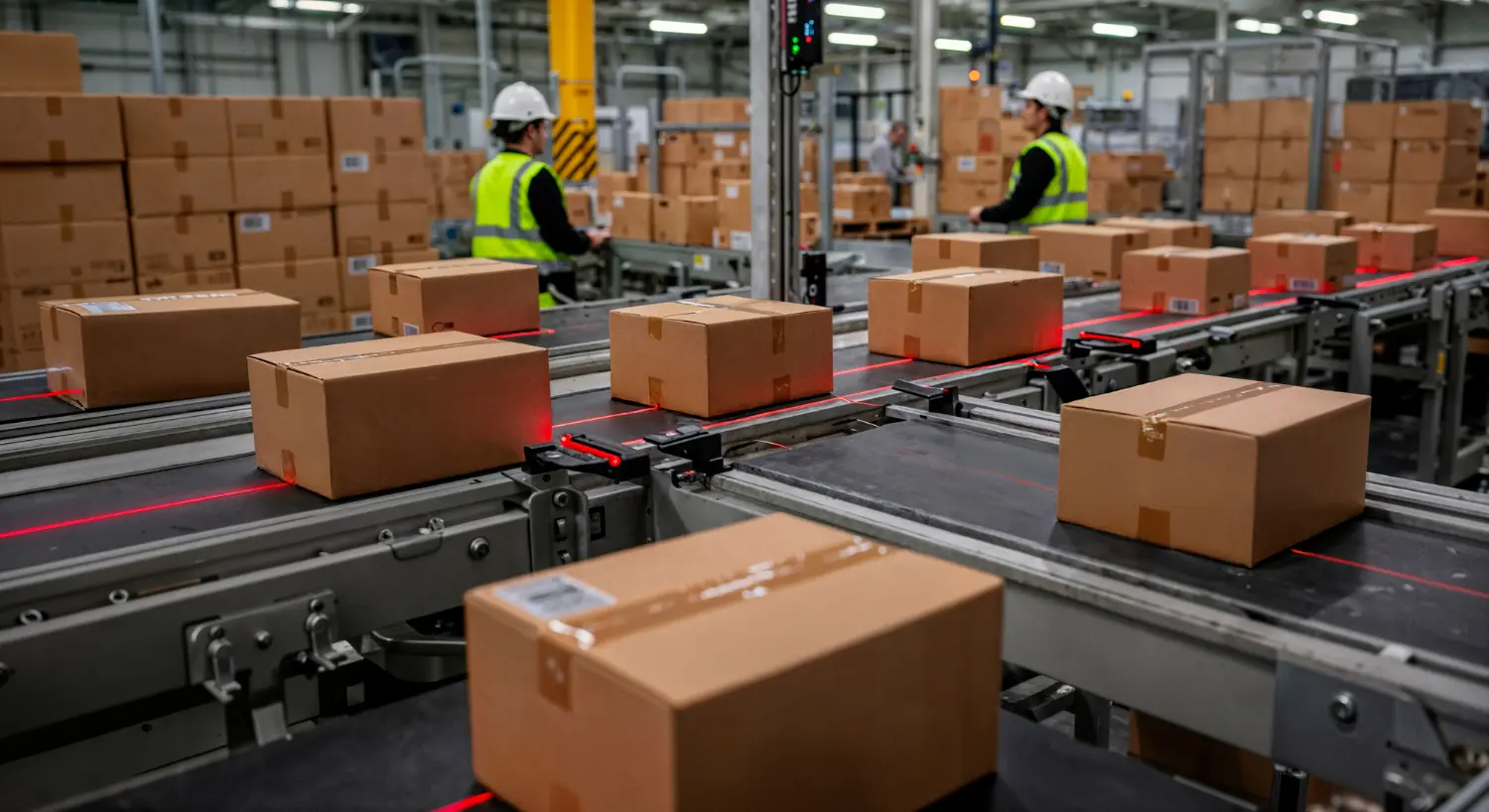
Useful reporting should show teams what to do next. When shipment status, warehouse throughput, carrier reliability, and exception patterns are reviewed together, leaders can prioritize the process changes that protect service quality and reduce avoidable cost.
Create a shared language for performance
A consistent reporting rhythm helps logistics, warehouse, finance, and customer service teams discuss the same priorities. This alignment reduces guesswork and makes it easier to understand whether delays are caused by planning, capacity, documentation, or handoff issues.
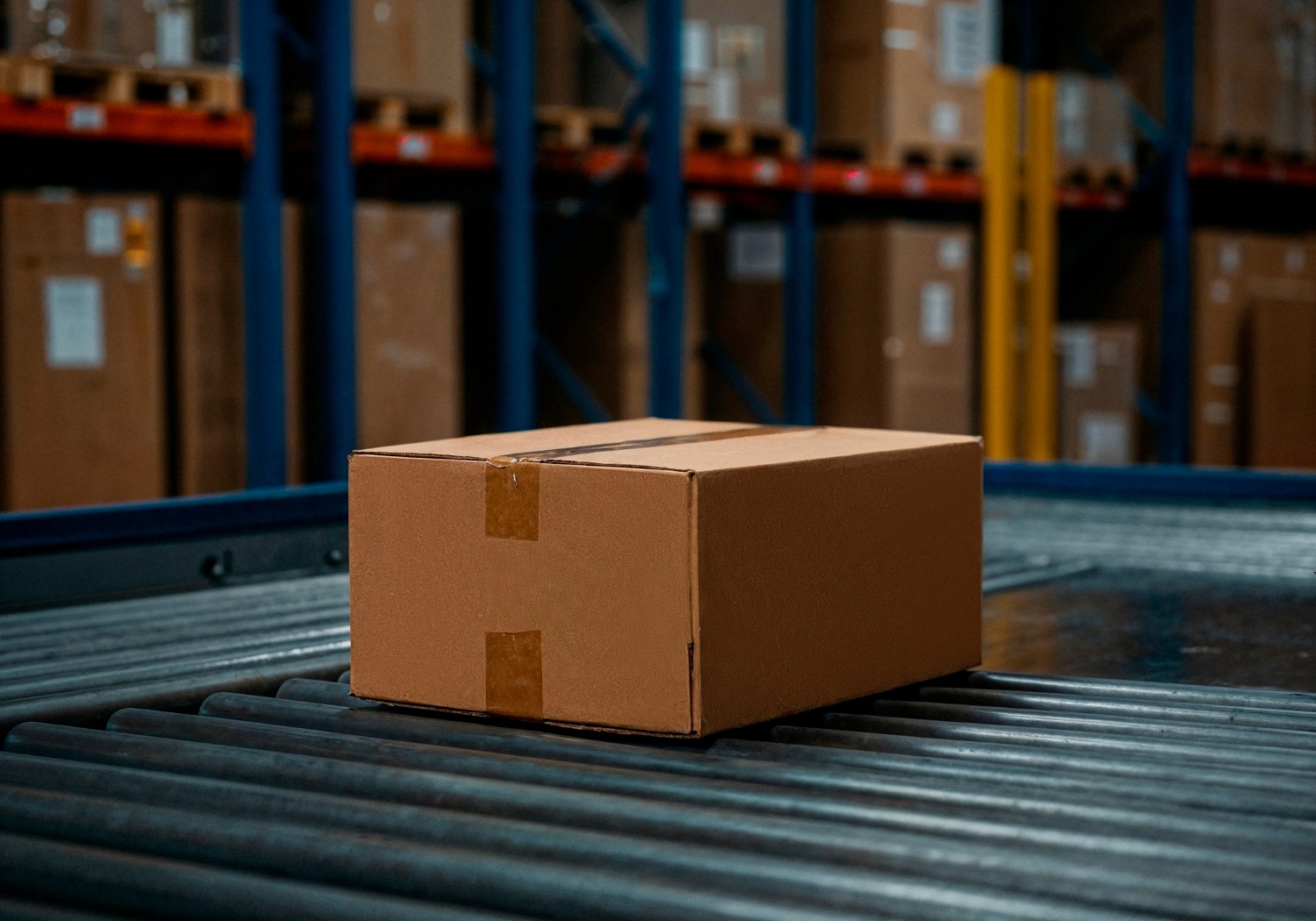
Warehouse reporting becomes more valuable when it connects activity on the floor with customer-facing service outcomes, showing where picking, packing, staging, or dispatch routines need attention. Freight visibility helps teams understand how transport capacity, loading windows, and carrier performance influence the wider network, especially when volume increases or route pressure changes quickly.