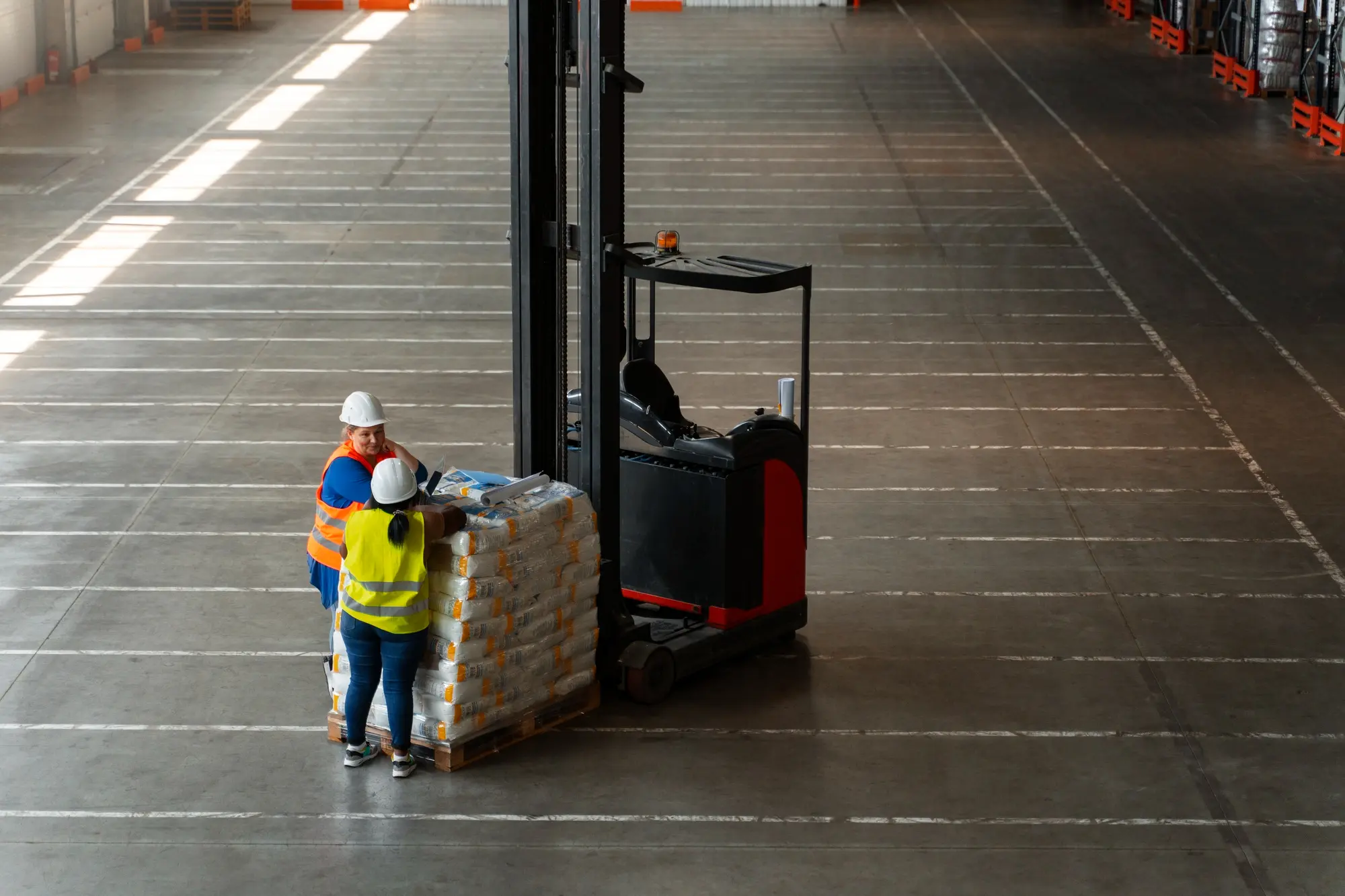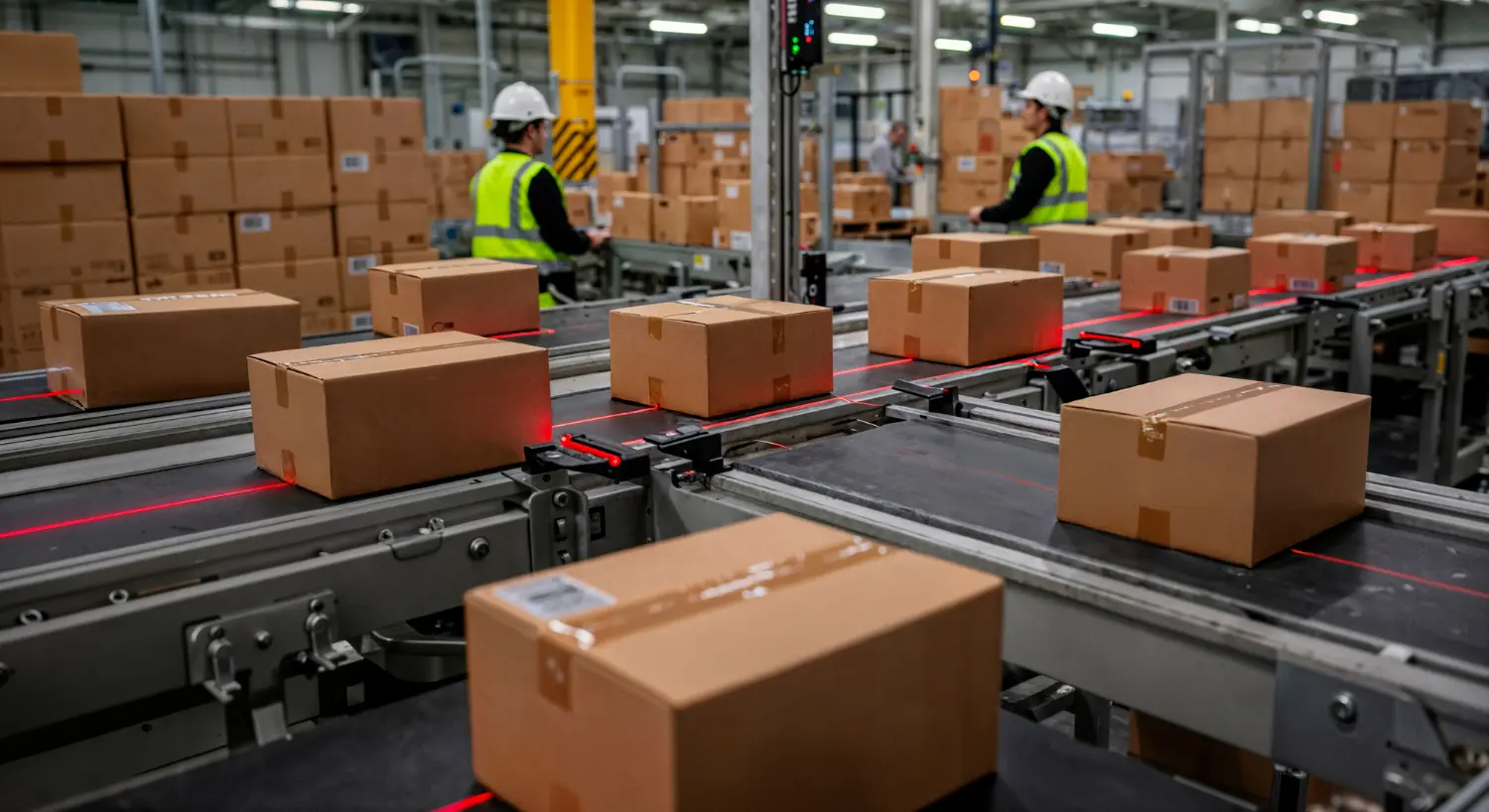
Not every growing business needs a large in-house logistics department, but every growing business needs disciplined operational thinking. Strategic logistics support can provide that expertise without the cost and complexity of building a full-time team too early.
As order volumes rise, logistics decisions become more consequential. Carrier selection, warehouse layout, inventory control, delivery promises, and exception handling all affect margin and customer experience. Without experienced guidance, teams may rely on temporary fixes that become expensive habits.
Bring structure without adding overhead
External logistics advisors can assess the current network, identify the most urgent constraints, and build practical operating routines for transport, warehousing, and reporting. This gives leadership a clearer path forward while internal teams stay focused on core commercial priorities.
The value is especially strong during transitions such as market expansion, new warehouse setup, carrier renegotiation, or peak season planning. Instead of hiring a full senior operations team immediately, businesses can access focused expertise for the decisions that matter most.
Strategic logistics support should leave the business stronger than it found it. The best engagements create repeatable processes, clearer accountability, and better visibility so the company can keep improving long after the initial project is complete.
Turn metrics into operating decisions
Useful reporting should show teams what to do next. When shipment status, warehouse throughput, carrier reliability, and exception patterns are reviewed together, leaders can prioritize the process changes that protect service quality and reduce avoidable cost.
Create a shared language for performance
A consistent reporting rhythm helps logistics, warehouse, finance, and customer service teams discuss the same priorities. This alignment reduces guesswork and makes it easier to understand whether delays are caused by planning, capacity, documentation, or handoff issues.

Warehouse reporting becomes more valuable when it connects activity on the floor with customer-facing service outcomes, showing where picking, packing, staging, or dispatch routines need attention. Freight visibility helps teams understand how transport capacity, loading windows, and carrier performance influence the wider network, especially when volume increases or route pressure changes quickly.