Growing logistics teams need reporting that does more than summarize activity. The right reports show where service is improving, where bottlenecks are forming, and which decisions will have the biggest operational impact.
Basic shipment counts and delivery totals are not enough for a scaling operation. Leaders need visibility into on-time performance, dwell time, missed pickups, carrier reliability, warehouse throughput, and exception trends. These measures show how the network is actually performing, not just how busy it is.
Report on the moments that create delay
The most useful logistics reports focus on handoffs. Delays often appear when freight moves between supplier, warehouse, carrier, customs, and final delivery teams. By tracking those transition points, managers can identify whether the issue is planning, documentation, capacity, labor, or communication.
Good reporting also supports faster conversations. When teams share one view of performance, they can align around root causes instead of debating isolated incidents. This makes it easier to prioritize process changes and measure whether those changes are working.
As logistics networks grow, reporting should become more decision-focused. The goal is not more dashboards. The goal is clearer operational insight that helps teams protect service levels, reduce waste, and build a more predictable delivery experience.
Turn metrics into operating decisions
Useful reporting should show teams what to do next. When shipment status, warehouse throughput, carrier reliability, and exception patterns are reviewed together, leaders can prioritize the process changes that protect service quality and reduce avoidable cost.
Create a shared language for performance
A consistent reporting rhythm helps logistics, warehouse, finance, and customer service teams discuss the same priorities. This alignment reduces guesswork and makes it easier to understand whether delays are caused by planning, capacity, documentation, or handoff issues.

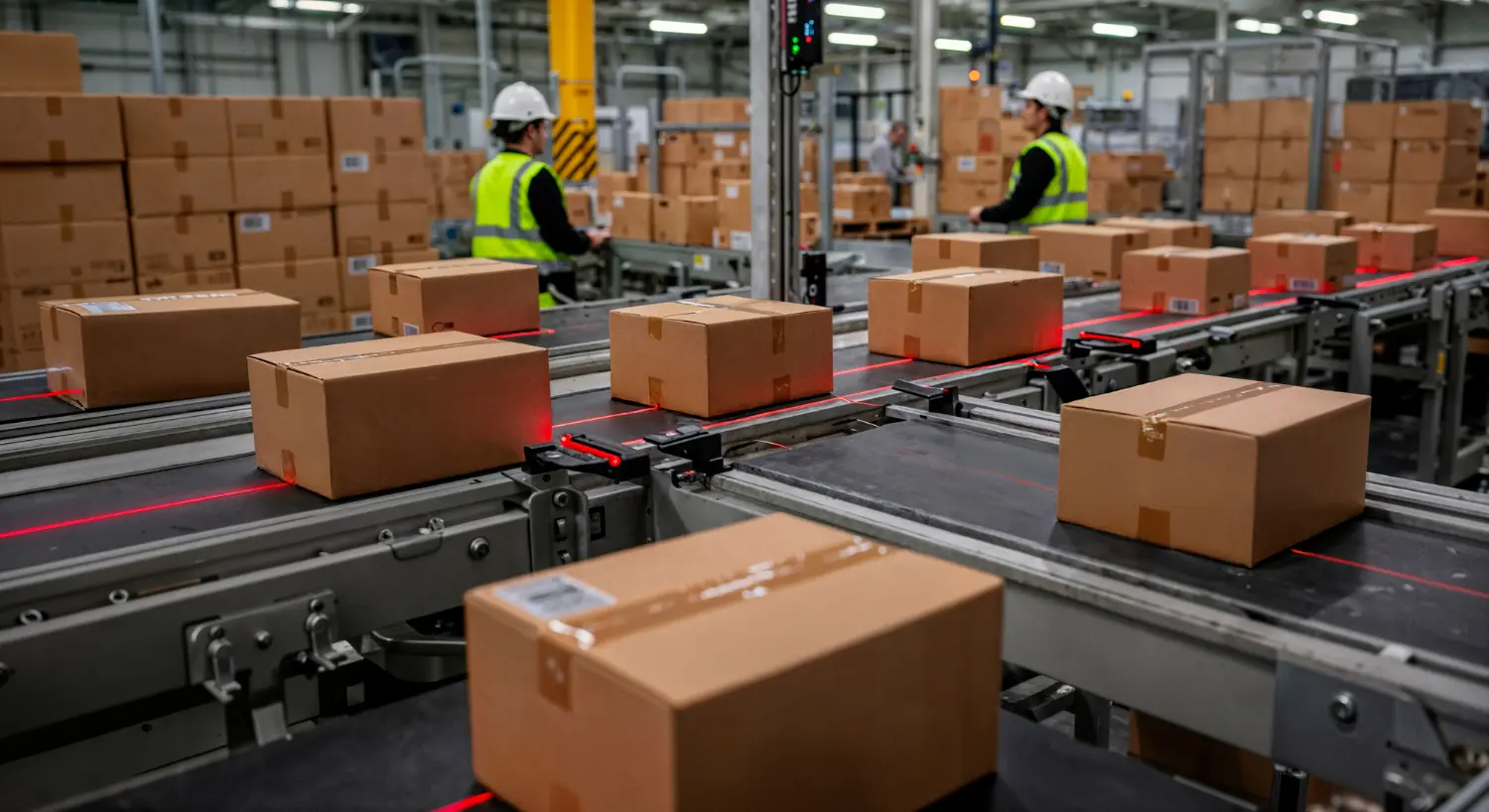
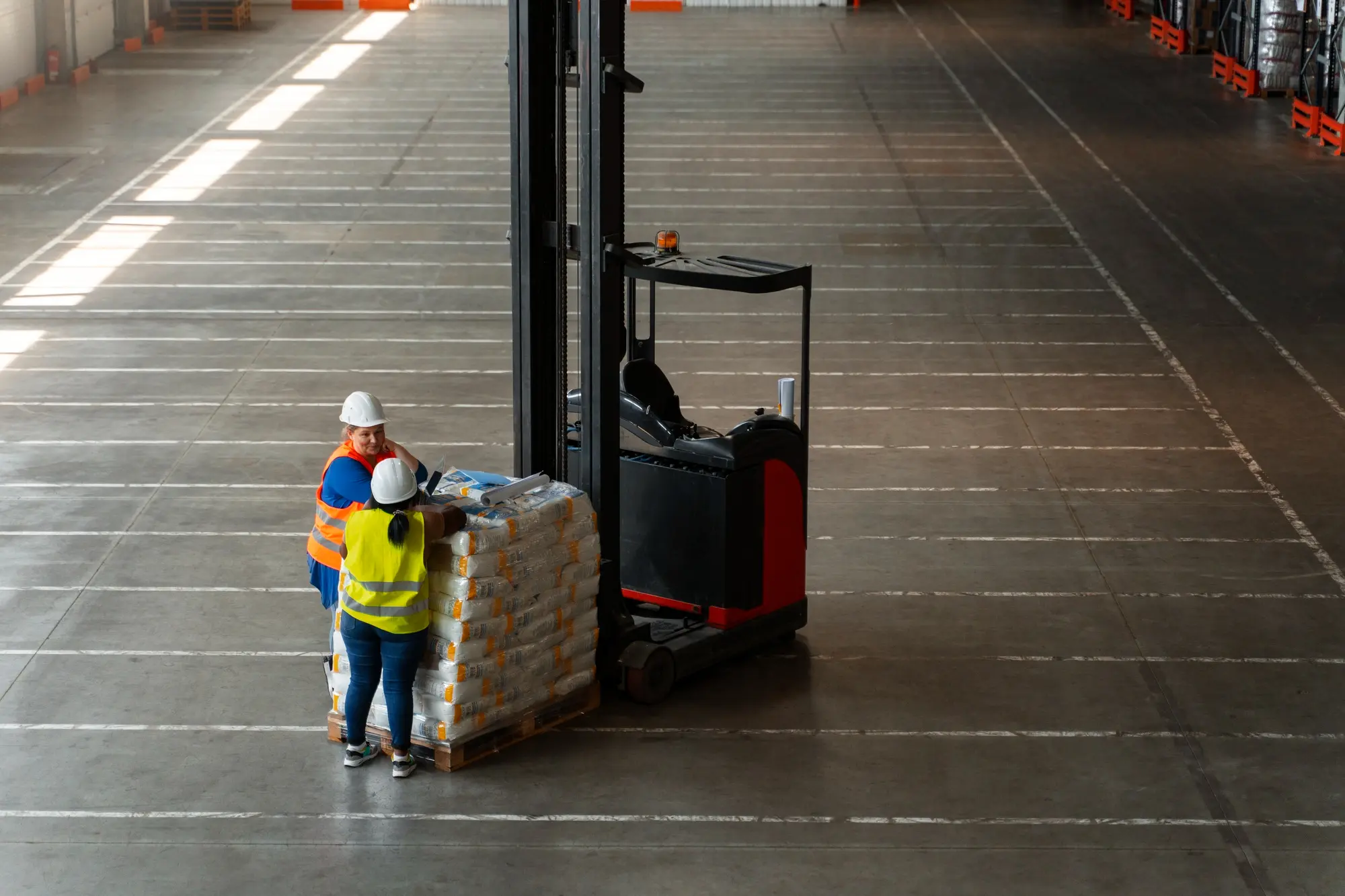
Warehouse reporting becomes more valuable when it connects activity on the floor with customer-facing service outcomes, showing where picking, packing, staging, or dispatch routines need attention. Freight visibility helps teams understand how transport capacity, loading windows, and carrier performance influence the wider network, especially when volume increases or route pressure changes quickly.