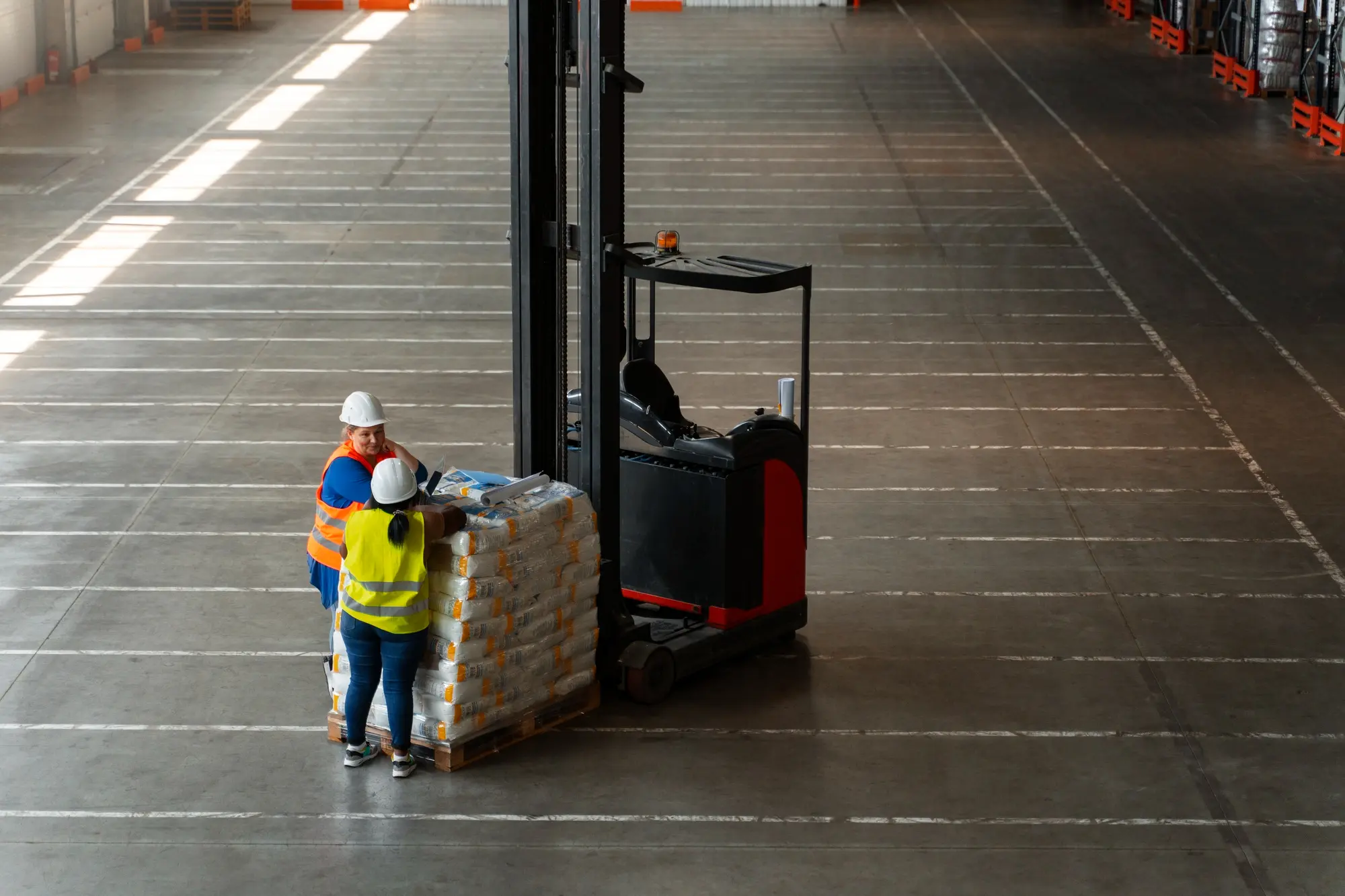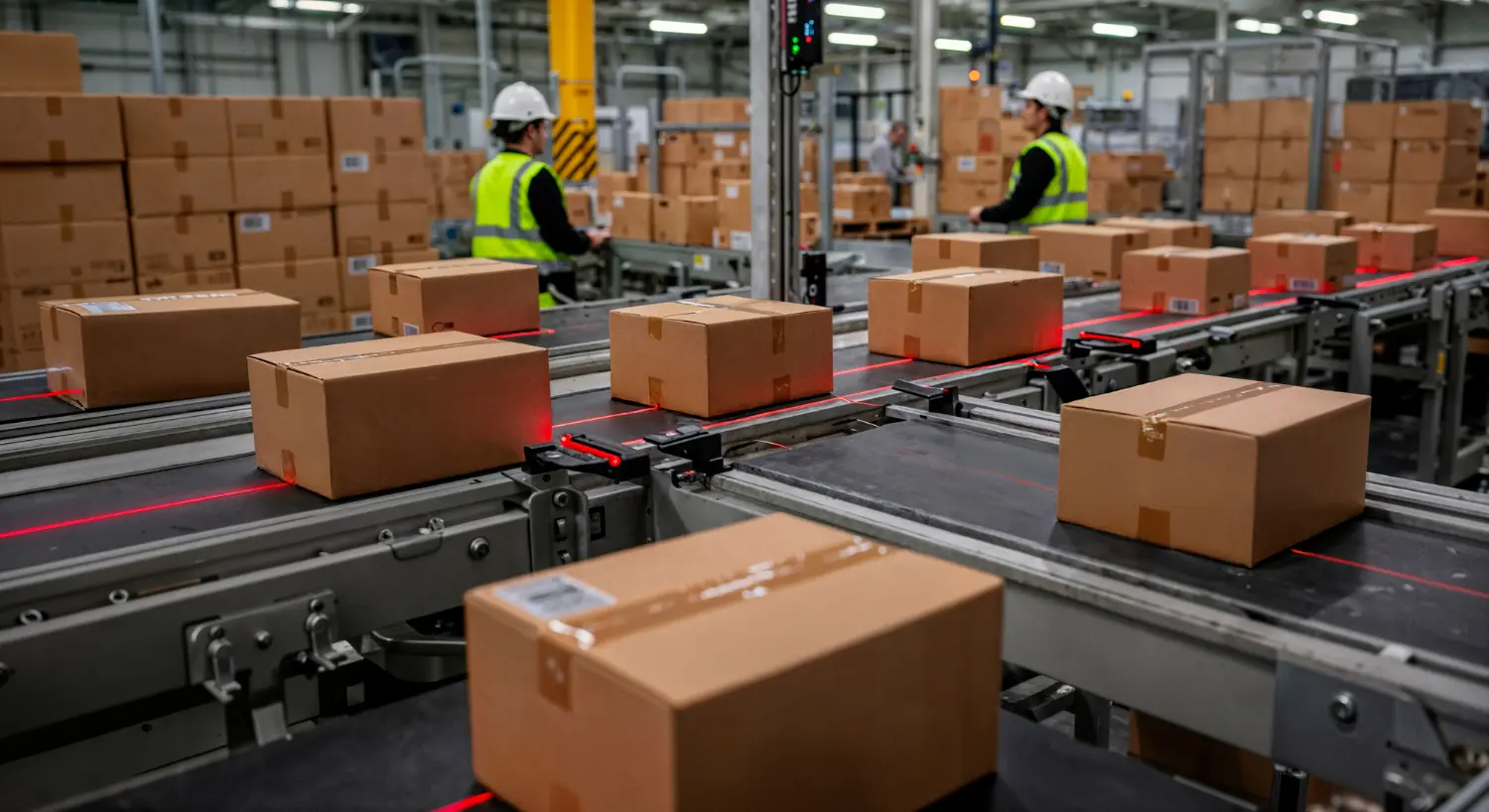
Supply chain visibility is one of the strongest foundations for logistics growth. When teams can see inventory movement, shipment status, and operational exceptions clearly, they can scale with more confidence and less disruption.
Growth often exposes hidden weaknesses in a logistics network. A process that works at low volume may struggle when order counts increase, new regions open, or service promises become more demanding. Visibility helps leaders understand where the network is stable and where it needs reinforcement.
Create a shared language for performance
Without clear visibility, teams often respond only after a customer has already felt the delay. With better tracking and exception management, they can intervene earlier, reroute shipments, adjust labor, communicate with carriers, or reset delivery expectations before problems escalate.
Visibility also improves collaboration across departments. Sales, operations, finance, warehouse, and customer service teams all make better decisions when they are working from the same logistics picture. This reduces confusion and helps the business align promises with operational reality.
For growing companies, visibility is not just a technology feature. It is an operating discipline. The teams that use visibility well are better prepared to expand routes, support more customers, and maintain service quality as complexity increases.
Turn metrics into operating decisions
Useful reporting should show teams what to do next. When shipment status, warehouse throughput, carrier reliability, and exception patterns are reviewed together, leaders can prioritize the process changes that protect service quality and reduce avoidable cost.
Create a shared language for performance
A consistent reporting rhythm helps logistics, warehouse, finance, and customer service teams discuss the same priorities. This alignment reduces guesswork and makes it easier to understand whether delays are caused by planning, capacity, documentation, or handoff issues.
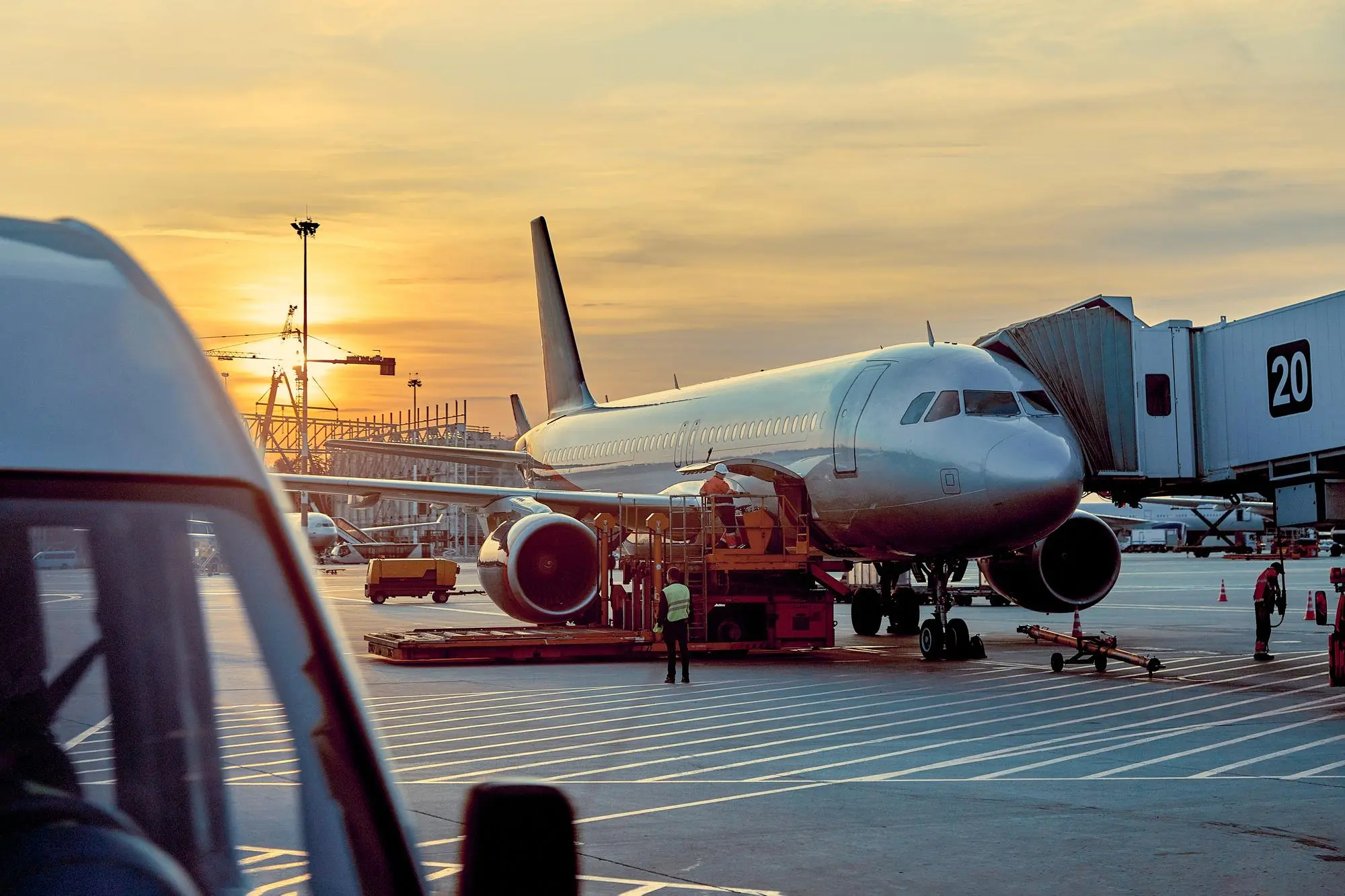
Warehouse reporting becomes more valuable when it connects activity on the floor with customer-facing service outcomes, showing where picking, packing, staging, or dispatch routines need attention. Freight visibility helps teams understand how transport capacity, loading windows, and carrier performance influence the wider network, especially when volume increases or route pressure changes quickly.